Standards guide
ASTM A106 vs ASTM A53 Steel Pipe
Ordering differences between ASTM A106 seamless pipe and ASTM A53 pipe.
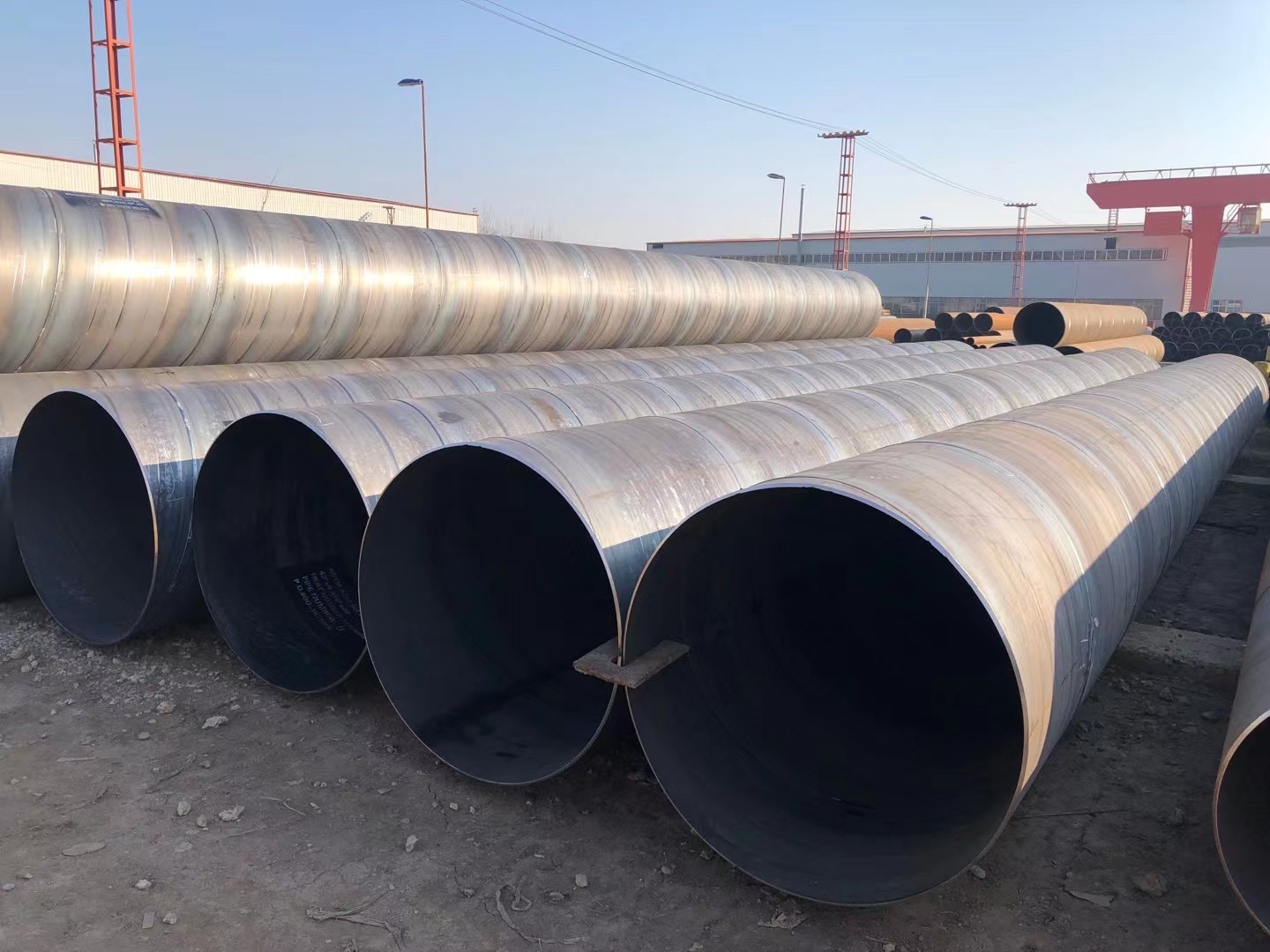
Practical Standard Review
ASTM A106 and ASTM A53 can both appear in carbon steel pipe RFQs, but the intended service, manufacturing route, temperature requirement, and inspection plan decide the correct supply route.
Himount Steel reviews the ordered standard, grade, product form, dimension tolerance, inspection level, packing method, and shipment route before confirming price and lead time. Final supply always follows the buyer specification and accepted mill test certificate.
Key Ordering Points
| Main comparison | ASTM A106 and ASTM A53 can both appear in carbon steel pipe RFQs, but the intended service, manufacturing route, temperature requirement, and inspection plan decide the correct supply route. |
|---|---|
| Confirm in RFQ | standard edition, grade, seamless or ERW process, schedule, end type, test scope, and coating |
| Risk to avoid | Avoid substituting A53 for A106 in temperature or process piping service without buyer engineering approval. |
| Documentation | Confirm MTC type, heat number traceability, inspection record, and any buyer approval wording. |
| Next step | Send the project specification or previous PO so Himount Steel can check the supply route. |
Buyer Checks Before Quotation
- Use the project specification as the authority when grade names look similar.
- Confirm product form, size, tolerance, delivery condition, and inspection plan together.
- Ask for comparable references only as RFQ aids, not automatic substitutions.
- Review certificate wording before shipment if the project has strict acceptance rules.
Related Himount Pages
Prepare A Complete Steel Inquiry
Send the product standard, grade, size list, quantity, drawings, inspection scope, certificate request, packing method, and destination port. Himount Steel will review the technical route before quotation.